Explore the Value of Retaining a Commercial General Contractor for Smooth Construction Management
Hiring a commercial general contractor can fundamentally transform the construction management process. The contractor's knowledge makes certain that projects are carefully designed and carried out precisely. By strengthening communication among all stakeholders, they encourage a collaborative environment. Additionally, their experience in effective budget management and risk mitigation is critical. Nonetheless, the full measure of their impact frequently exceeds these basics, showing profound benefits that can redefine project success.
Proficiency in Project Management

Provided a commercial general contractor maintains expertise in project management, they can capably manage the entire construction process, ensuring that timelines and budgets are adhered to. Their proficiency allows them to coordinate different facets of the project, from planning and scheduling to learn more resource allocation. With a keen understanding of construction methodologies and industry regulations, they can anticipate potential challenges and apply solutions preventatively.
This expertise also enables them to manage subcontractors and suppliers effectively, guaranteeing everyone understands their roles and responsibilities. By utilizing project management tools and techniques, they ensure transparency of progress, making prompt modifications possible when necessary. The capacity to analyze data and metrics ensures that projects remain on track, reducing setbacks and cost overruns. Ultimately, a contractor's project management skills contribute greatly to the overall success of construction endeavors, delivering excellent finishes and satisfied clients.
Enhanced Communication Among Stakeholders
Clear communication among stakeholders is vital for the success of any commercial construction project, as it promotes teamwork and shared purpose. A commercial general contractor functions as the central communication hub between various parties, including architects, engineers, and clients. This unified communication strategy optimizes the transfer of information, making sure that all stakeholders are kept up-to-date on the project, timelines, and future difficulties.
By setting up frequent meetings and utilizing project management tools, the contractor boosts openness and mitigates misunderstandings. Stakeholders are inclined to express worries and offer suggestions when they feel their perspectives are valued. Additionally, good communication results in rapid issue resolution, cutting down on delays and interruptions.
Finally, hiring a commercial general contractor not only improves communication but also builds better relationships among stakeholders, creating a cohesive environment that is favorable for successful results.
Managing the Budget Effectively
Effective financial control is essential for ensuring that construction projects remain within budget limits and meet their objectives. A commercial general contractor plays a pivotal role in supervising and controlling project expenditures - Hickory top rated Commercial General Contractor. By supplying accurate cost projections and constant budget tracking, they help prevent budget overruns. Competent contractors use their professional experience to find ways to save money, like negotiating supplier prices or improving resource distribution
Moreover, they implement thorough financial reporting systems, allowing stakeholders to monitor expenses closely and make educated decisions. This forward-thinking approach to budget management boosts accountability but also fosters transparency among everyone involved. Furthermore, through thorough preparation and forward thinking, general contractors can anticipate financial challenges and develop emergency plans, ensuring that projects maintain their financial course. Finally, good budget oversight by a general contractor significantly aids the final success of construction endeavors
Improving Timelines and Minimizing Delays
While unexpected issues can arise during construction projects, hiring a commercial general contractor significantly improves time management and cuts down on delays. These professionals are highly experienced and a strong grasp of construction processes, helping them predict issues before they worsen. Their strong connections with subcontractors and suppliers allow for rapid acquisition of materials and services, reducing wait times.
In addition, commercial general contractors are skilled schedulers, ensuring that every stage of the project moves forward smoothly and punctually. They employ specialized tools to watch deadlines and manage tasks, which helps streamline workflows. By handling issues quickly and efficiently, they minimize non-productive periods and maintain the project's timeline. Additionally, their expertise in maneuvering through regulatory requirements avoids regulatory holdups. Finally, the expert management given by the contractor creates a more effective building process, allowing projects to be completed within the set schedule.
Quality Management and Supervision
Quality control and assurance are critical components in the hiring of a commercial building contractor. Establishing strict protocols and protocols, alongside regular inspection procedures, makes certain that projects meet the desired specifications. Moreover, efficient oversight of a expert team contributes considerably to maintaining high-quality outcomes during the building phase.
Rigorous Standards and Protocols
When hiring a commercial building contractor, knowing their strict protocols and processes for quality assurance and assurance is crucial. These protocols are designed to ensure superior building quality and ensure adherence with industry regulations. Contractors implement comprehensive processes that specify required materials, workmanship, and security precautions, making certain that every aspect of the project satisfies set criteria. This dedication to quality not only reduces mistakes but also minimizes the possibility of expensive modifications. Additionally, contractors typically set up clear communication channels with all interested parties, promoting teamwork and transparency throughout the construction process. By sticking to these rigorous protocols, building firms provide peace of mind, certain that the work will be completed effectively and to the best possible standards.
Thorough Examination Systems
To ensure that construction projects meet the highest standards, general commercial contractors employ thorough examination systems as a key factor of their quality control and oversight protocols. These processes involve periodic evaluations at different building phases, making sure that materials, workmanship, and total adherence with project specifications are thoroughly assessed. By following predefined review timetables, contractors can identify potential issues early, cutting down on pricy corrections and delays. Furthermore, consistent inspections foster accountability among vendors and sub-trades, as they are required to adhere to rigorous quality criteria. This structured approach does more than improve the total soundness of the project but also assures investors, knowing that their investment is backed by a commitment to excellence during the building phase.
Expert Staff Oversight
A skilled workforce is crucial for upholding excellent criteria in construction projects, as it has a clear effect on quality control and assurance efforts. Effective management of this team guarantees that each team member is thoroughly instructed and holds the essential knowledge to execute their duties effectively. The commercial GC typically adopts strict recruitment standards for selecting competent staff, cultivating an environment of accountability and excellence. Moreover, continuous education initiatives allow employees to keep pace on the latest building methods and safety protocols. By implementing detailed performance monitoring, the contractor can track progress and address any issues promptly, making certain that the final output surpasses client expectations. Ultimately, skilled workforce management is a vital element of successful construction projects.
Availability of a Pool of Reliable Subcontractors
Having a pool of reliable subcontractors is essential for a commercial general contractor. Robust industry ties enable the contractor to select skilled professionals who adhere to stringent quality requirements critical for successful completion. This network not only enhances efficiency but also makes certain the output adheres to high-quality benchmarks.
Established Industry Connections
In the process of managing the complexities of a construction project, maintaining strong professional networks significantly improves a contractor's ability to produce superior work. A commercial general contractor typically keeps up a strong roster of reliable subcontractors, suppliers, and industry professionals. This network not only facilitates seamless collaboration but also ensures that top expertise is available for each aspect of the project. Access to seasoned subcontractors enables the GC to select specialists who are highly knowledgeable in their fields, which can lead to greater productivity and superior workmanship. In addition, these connections help the builder to arrange beneficial conditions and timelines, ultimately streamlining the construction process. Essentially, established industry connections are a crucial resource that elevates project execution and client satisfaction.
Quality Assurance Standards
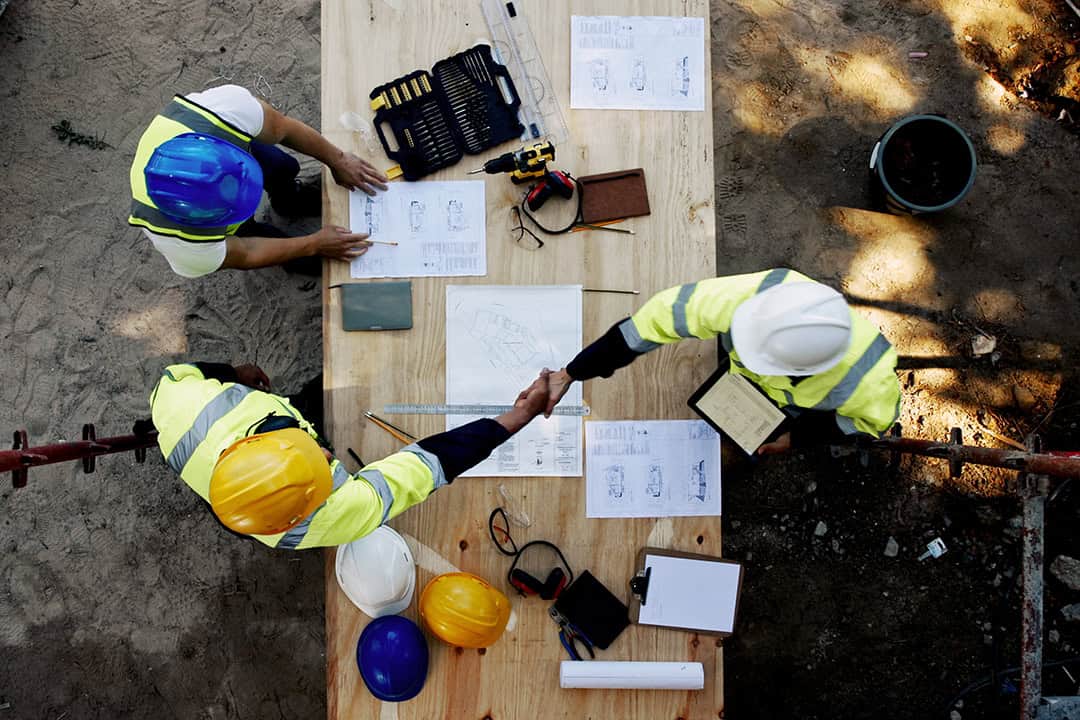
Quality assurance standards are fundamental in the construction process, as they ensure that work satisfies specified requirements and copyright excellent construction quality. A commercial general contractor offers extensive expertise and oversight, guaranteeing that the build adheres to these strict requirements. Utilizing a pool of reliable subcontractors, they can select skilled professionals who perform exceptionally in their fields, which boosts the overall quality of the project. This collaborative approach encourages ownership among subcontractors, as they are informed of the requirements set forth by the general contractor. Moreover, regular inspections and assessments allow us to find potential issues early, cutting down on costly setbacks and ensuring that the final result aligns with the defined scope and safety protocols.
Addressing Hazards and Finding Solutions
Successful hazard reduction and issue resolution are essential components in the job of a CGT, as they manage the intricate details of construction projects. By performing detailed hazard analyses, these experts determine risks that might surface throughout the building phase, including hold-ups, exceeding the budget, and dangerous conditions.
Using forward-thinking methods, they create backup strategies that reduce interruptions and ensure the work proceeds smoothly. Should unanticipated issues surface, a skilled contractor responds swiftly, employing creative solutions to resolve difficulties without compromising timelines or quality.
Additionally, their experience allows them to predict frequent errors, helping them to coordinate well with subcontractors, suppliers, and clients to harmonize goals and address disagreements. In the end, a CGT's skill to handle hazards and resolve issues improves how operations run but also safeguards the project's overall success, promoting a safer and more regulated job site.
Frequently Asked Questions
What Qualifications Should I Look for when choosing a CGT?
When selecting a commercial general contractor, it is important to evaluate their history, necessary licenses and documentation, proven project management skills, strong communication abilities, a solid reputation, and a thorough understanding of construction regulations and safety protocols.
How Do I Determine the Right Contractor for My Project?
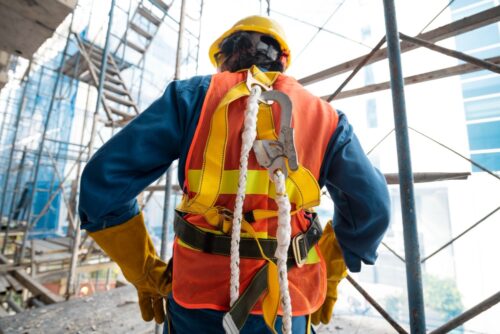
To determine the right contractor for a project, it is necessary to review their history, credentials, permits, coverage, how they communicate, and examples of previous work, confirming they fit the unique objectives and scope of the undertaking.
Which Kinds of Jobs Do CGTs Usually Manage?
Commercial builders commonly manage a variety of projects, such as offices, stores, storage facilities, eateries, and manufacturing plants. They oversee the building process, ensuring adherence to timelines, budgets, and quality standards in various industries.
How Does Hiring a General Contractor Impact My Final Project Budget?
Using a builder may first elevate the total cost due to management fees. Yet, their skill frequently results in better efficiency, cost savings, and fewer errors, resulting in the job being completed more affordably and on schedule.
Can a General Contractor Help With Permits and Legal Requirements?
A general contractor can greatly assist with getting the required permits and overseeing regulatory compliance (Hickory top rated Commercial General Contractor). Their specialized skill set upholds alignment with area-specific rules, lessening the possibility of costly delays and fines, which ultimately simplifies the construction process for the project
Comments on “Contracting Key Design Managers”